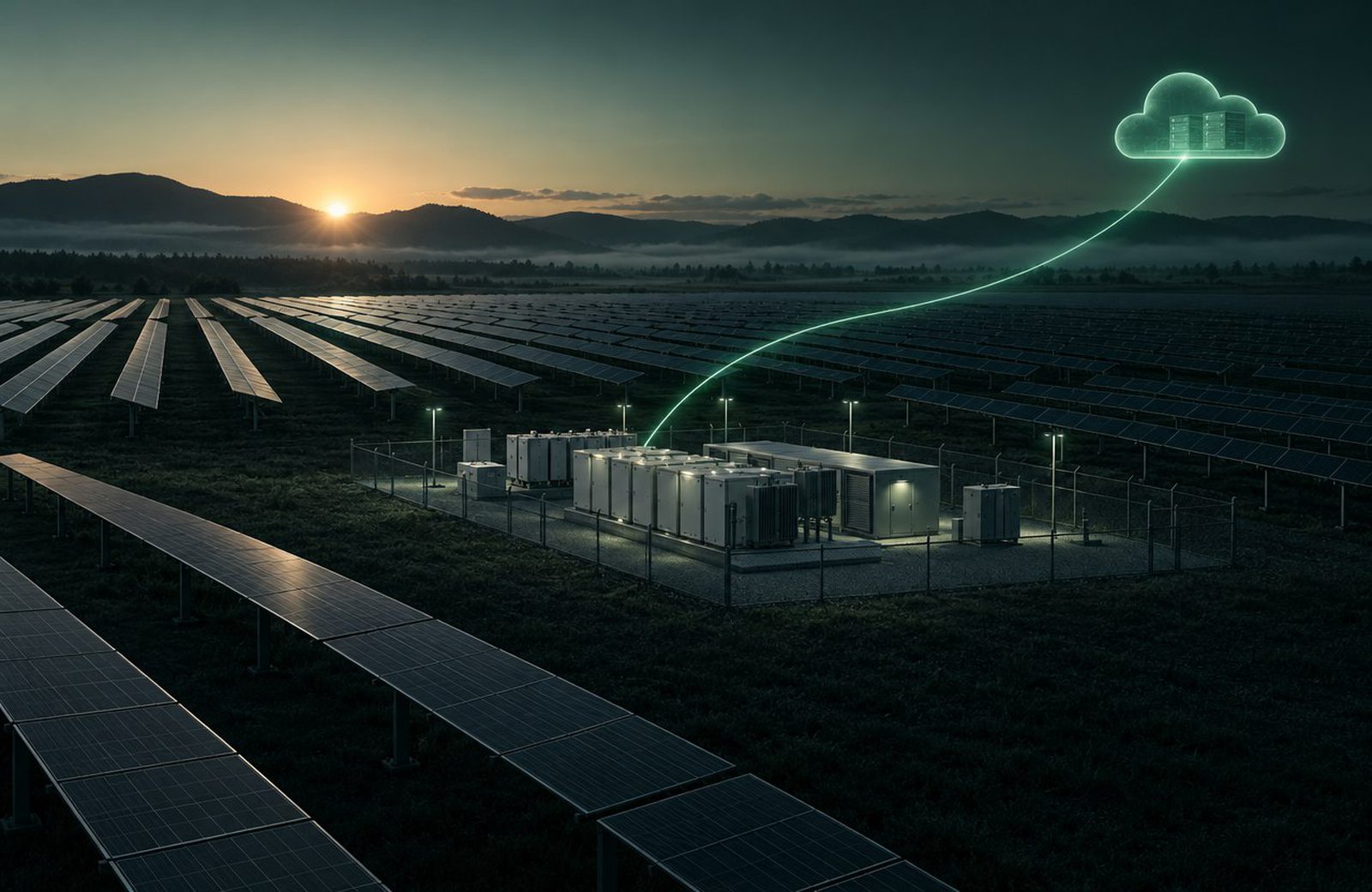
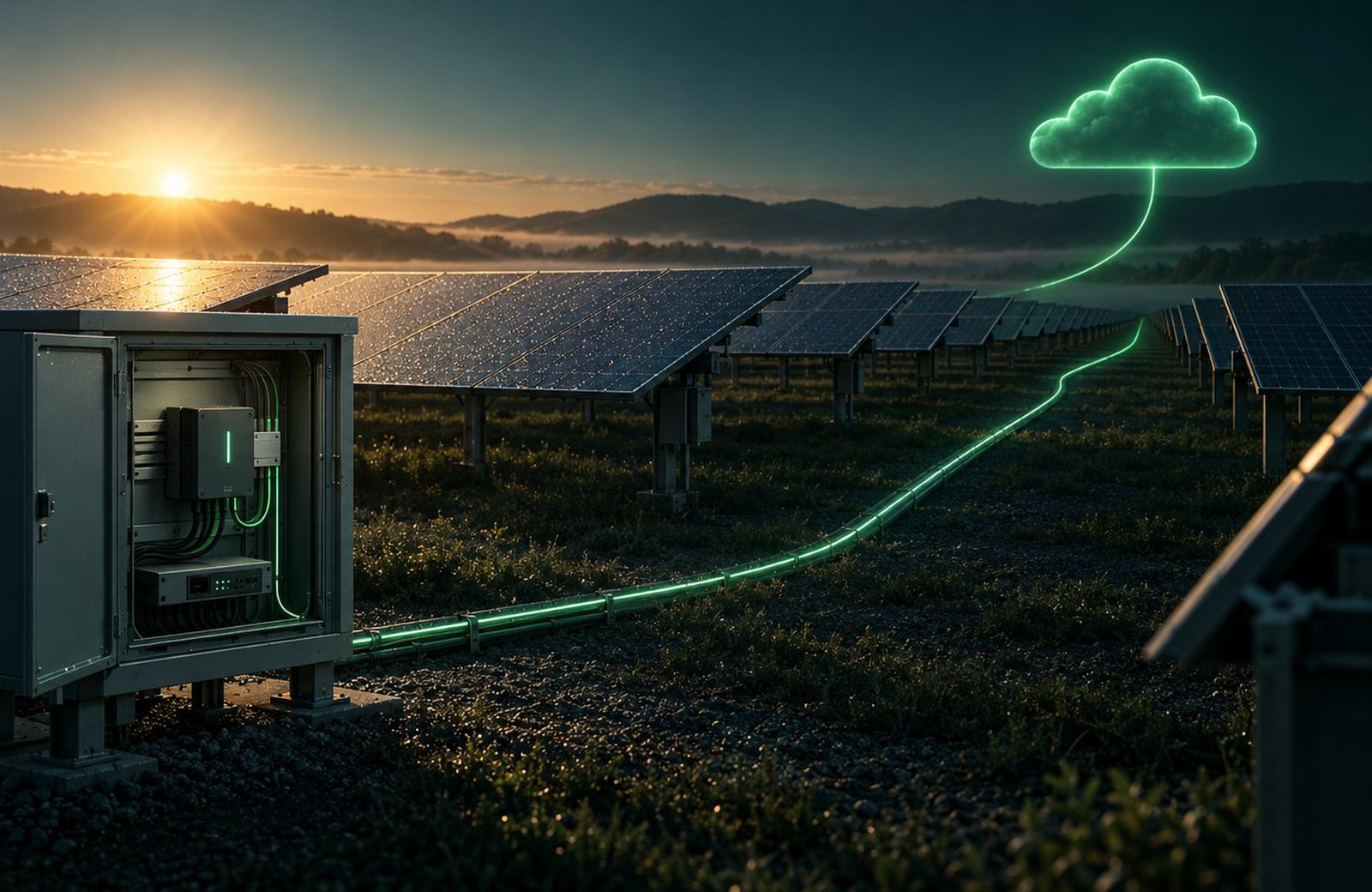

A solar farm at first light, one line of light leaving the site for the cloud
Halden Observe, the eyeObserve sees.

Operations, maintenance and alarms, on one model of your plant.
Read-only. Outbound only.

One model of your plant holds the readings, the records and the work. Halden Observe is where it starts: it reads what your controller already publishes, and the only thing it needs from your site is an outbound internet connection for the probe.

Email us about your site→
[CONTACT ADDRESS] · subject: Halden Observe for [our site]

It reads. It never writes. If our equipment is powered off tomorrow, your site continues to operate exactly as it does today.

How it works

The whole of it, end to end: a box on the rail, one connection out, and a dashboard your team signs into. Nothing arrives the other way.

An open cabinet with the probe and router on the rail, the solar rows at first light, and one lit line running out to the cloud.
STEP 1

A box on the rail

One industrial computer sits on the DIN rail beside your controller and reads the tags the controller already publishes. It has no path back into the plant.

STEP 2

One connection out

The probe dials out. Nothing dials in. Your router keeps the rules it has: no inbound port, no inbound route, no inbound session.

STEP 3

Readings where your team signs in

The readings arrive in a dashboard your team signs into. The thresholds and the state transitions are the ones you define.

The hardware

One box on the rail, the plant it watches, and the one way out. Whoever built the plant.

An open steel cabinet: a small industrial computer and a router on the DIN rail.
01

On the rail

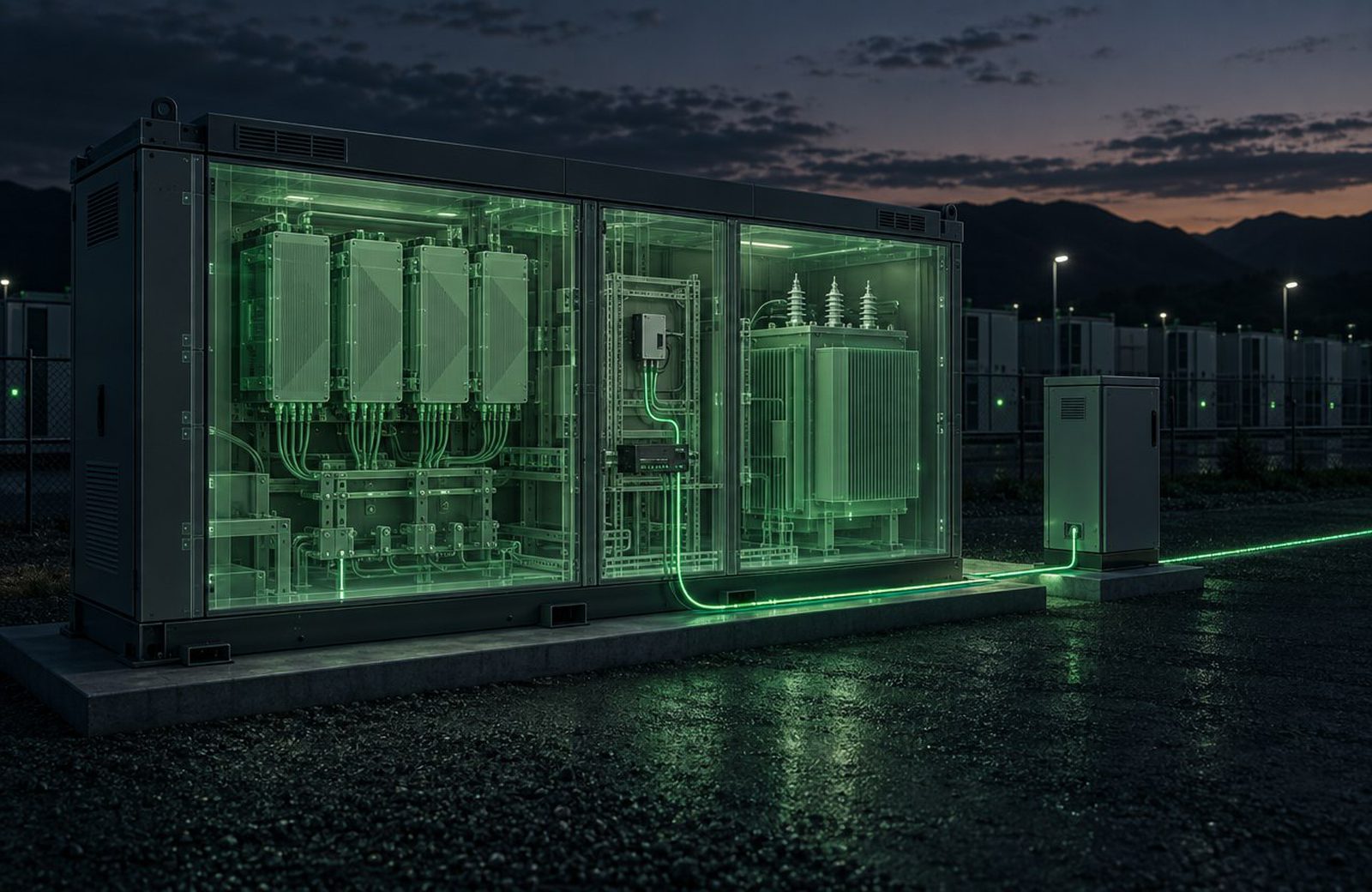
A station with its steel turned to glass: the controller, the probe beside it on the DIN rail, the router below, the line leaving along the ground.

Two electrolyte tanks with a cell stack between them.
02

What it watches

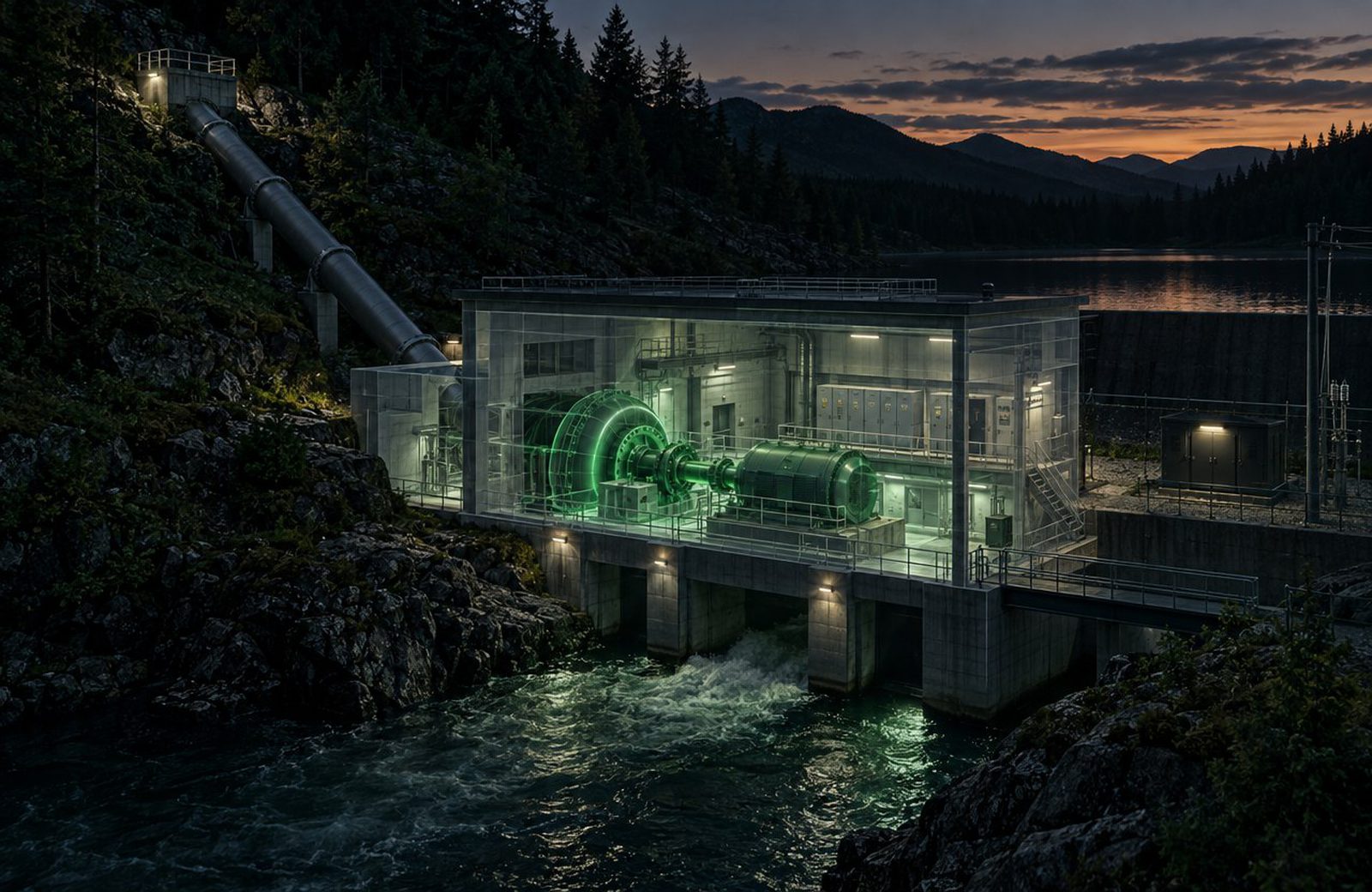
The two electrolyte tanks and the cell stack between them, the plant this reads and never touches.

A router on a concrete pad at dusk, one lit line leaving it for a cloud above the hills.
03

The one way out

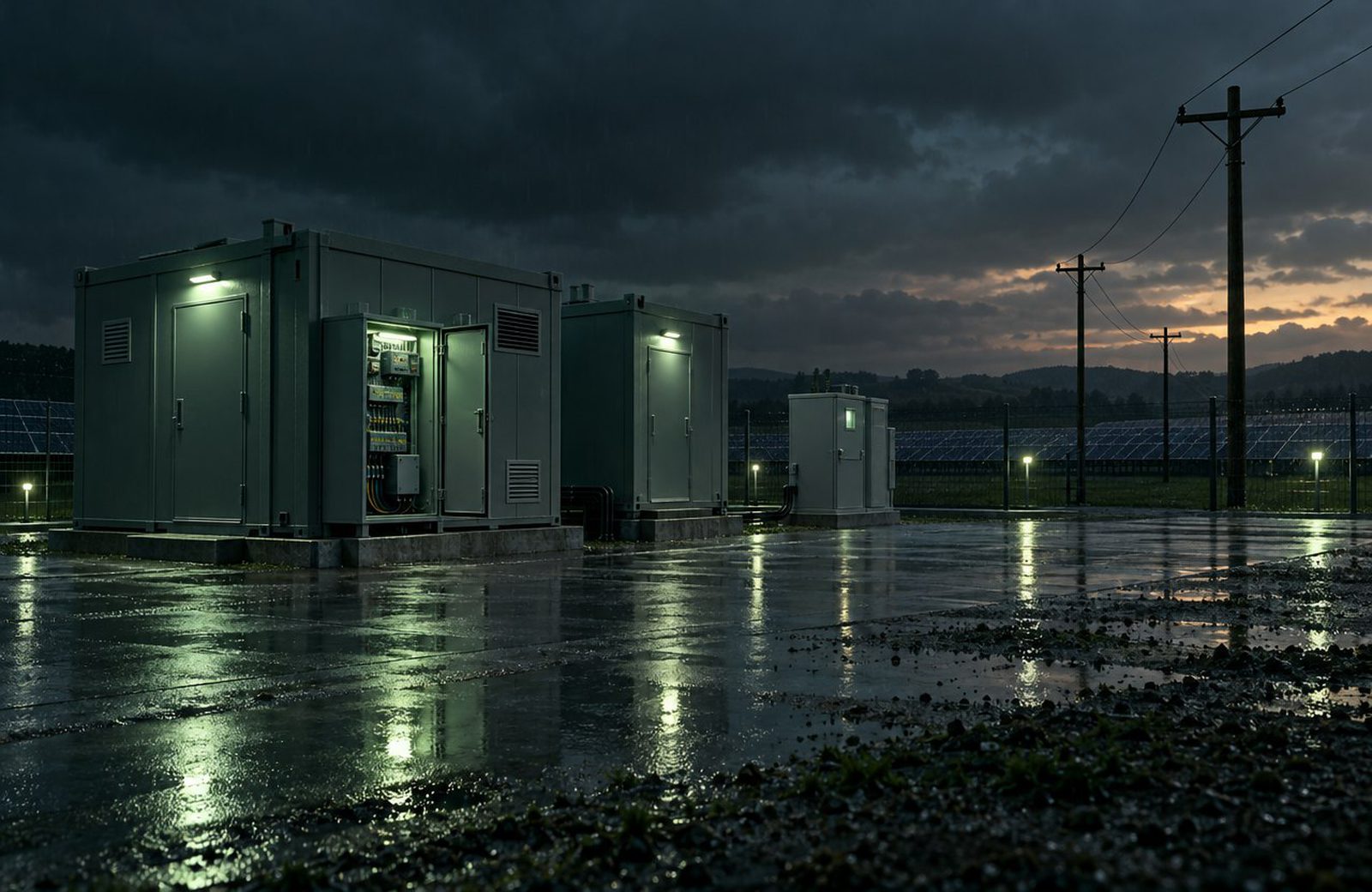
The single outbound path leaving the site: the switchrooms, the overhead line, and nothing arriving the other way.

The Halden options

Five options, built on one foundation.

From reacting, to getting ahead, to seeing it coming.

The five come in an order. Observe is the foundation and the other four build on it. Halden Control is a separate, later product; it is named here but not sold here.

01THE FOUNDATION

Halden Observe

Read how it works →
Observe sees.
It reads, and it never writes.

A probe on the DIN rail beside your controller reads the tags the controller already publishes.

One outbound connection carries them out of the site, and nothing arrives back. That connection is the only thing a site has to provide.

It does not care who built the plant. It reads what the site already has, so four sites from four suppliers can be watched in one place.

Everything else on this page builds on it, and it is where every customer starts.
02

Halden Twin

See the twin →
Twin understands.
Every reading belongs to a named part.

The twin puts each reading on the part it comes from, so a number on a chart becomes the reading of a named tank or stack in a named plant.

The same model holds the inspection data, schematics, CAD, manuals and test records for each piece of equipment.

Once the twin is validated, commissioning, testing and inspection work against it.

03

Halden Maintain

See the work →
[MAINTAIN LINE]
The work, against the model.

Inspection data, schematics, manuals and test records sit on the equipment they describe, found from the part rather than from a folder.

The twin is checked before it is trusted. Then commissioning, testing and inspection work against it.

The work done and the alarms raised sit side by side on the same part, so the next person starts from what happened last.

Runs on the Twin: the record needs the validated model underneath it.

04

Virtual NOC

See the first line →
Routed. Answered.
Alarms arrive with their context attached.

A managed first line that builds on Observe and Twin. When an alarm arrives it carries its context from the twin and its own history from the telemetry.

Routing follows fixed rules. Severity decides who is called, so a fatal or high alarm reaches the right person every time.

The context, the correlation and the suggested fix beside the alarm are assisted, so they can be wrong. The routing itself never depends on them.

Measured by the two numbers you already track: time to acknowledge and time to resolve.

05LATER

Halden Control

Named, not sold →
Control acts.
A separate product, for later.

The secure interactive twin: the same model, with a way to act on the plant through it.

It is not part of Observe and it is not a tier of it. It has its own buyer, its own approval chain and its own contract.

We name it here so you can see where Observe stops. Nothing on this page sells it.

The arc

From reacting, to getting ahead, to seeing it coming.

Each stage adds one thing to the stage before, and Observe is underneath all three. None of this is a roadmap with dates, and none of it changes what Observe is today.

01

REACTING

Halden Observe

An alarm arrives and someone starts from a tag name. They open the history, work out which part it belongs to and find who saw it last.

02

GETTING AHEAD

Halden Twin
Halden Observe

The reading already belongs to a named part, with its schematics, manuals and test records behind it, so the work starts at the part instead of the tag.

03

SEEING IT COMING

Virtual NOC
Halden Twin
Halden Observe

The alarm arrives already routed by severity, with its own history and the last resolution of the same fault beside it. Both acknowledgement and resolution start further along.

What it collects

Battery, conversion, thermal and sensor readings, and the health of the probe itself.

Controller reads are still being productionised, and telemetry on the bench today comes from a simulator. This page says what is true on the day it ships, and no more.

Commitments

Every row names the document it comes from. A row with no document does not exist.

The probe's site-facing path is read-only. That is how it is built, not how it is set.

[COMMITMENT SOURCE]

Every connection is mutually authenticated: the probe presents a certificate, and so does the cloud.

[COMMITMENT SOURCE]

Releases are signed with hardware-backed keys before they reach a site.

[COMMITMENT SOURCE]

Telemetry is stored in Sydney.

[COMMITMENT SOURCE]

The audit trail is written where the production account cannot delete it, and kept for [RETENTION PERIOD].

[COMMITMENT SOURCE]

Talk to us

A first conversation covers what your controller already publishes, what your network lets out, and what a probe on your rail would read.

Email us about your site→
[CONTACT ADDRESS] · subject: Halden Observe for [our site]